Visiting Istanbul I had Istanbul on my bucket list for a long time, so finally arriving to experience its culture and mix of influences was a real thrill. Our research suggested staying in Sultanahmet — a name I found tricky until I realised it was simply “Sultan Ahmed,” the ruler who built one of the city’s great mosques.
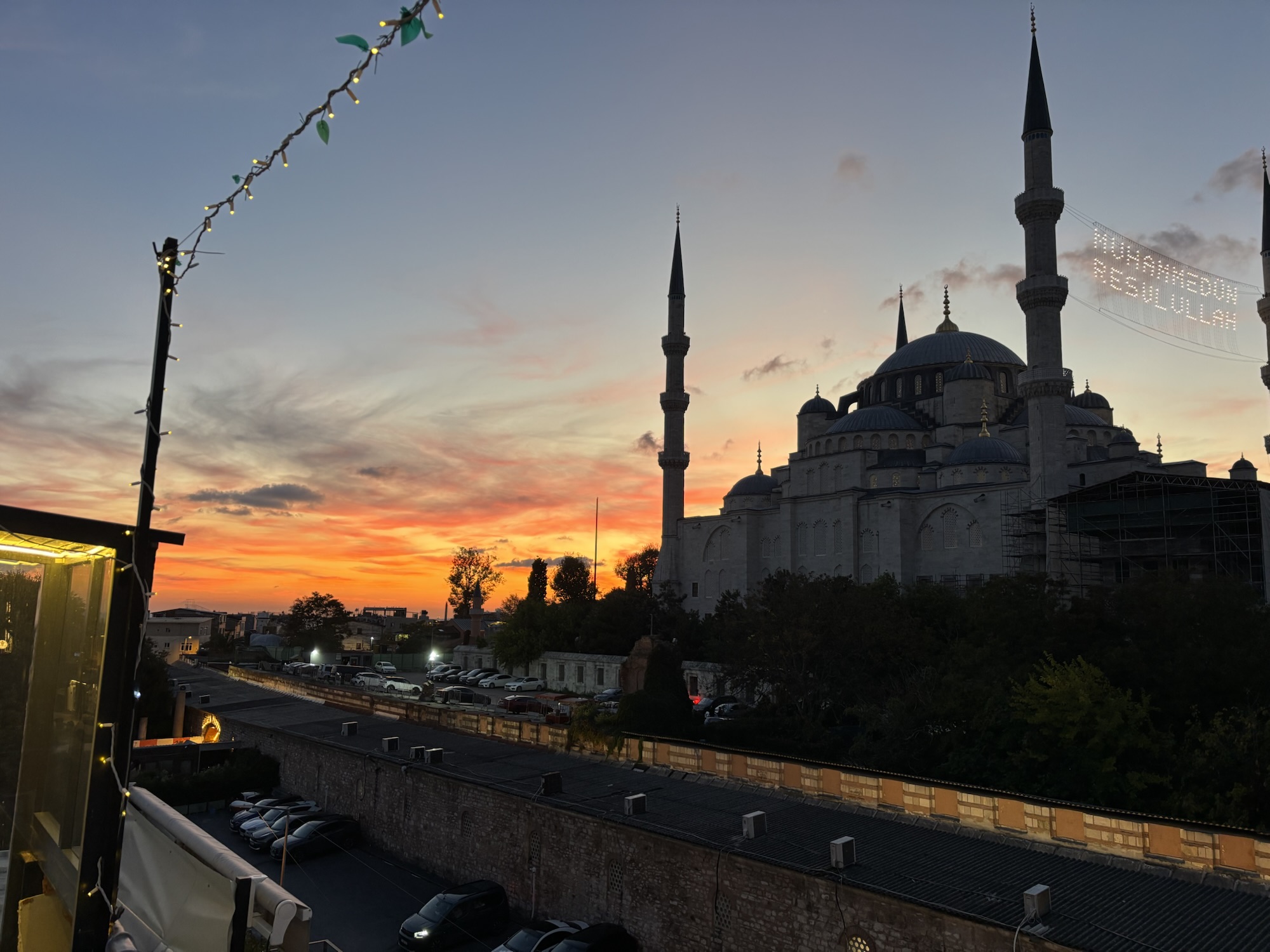
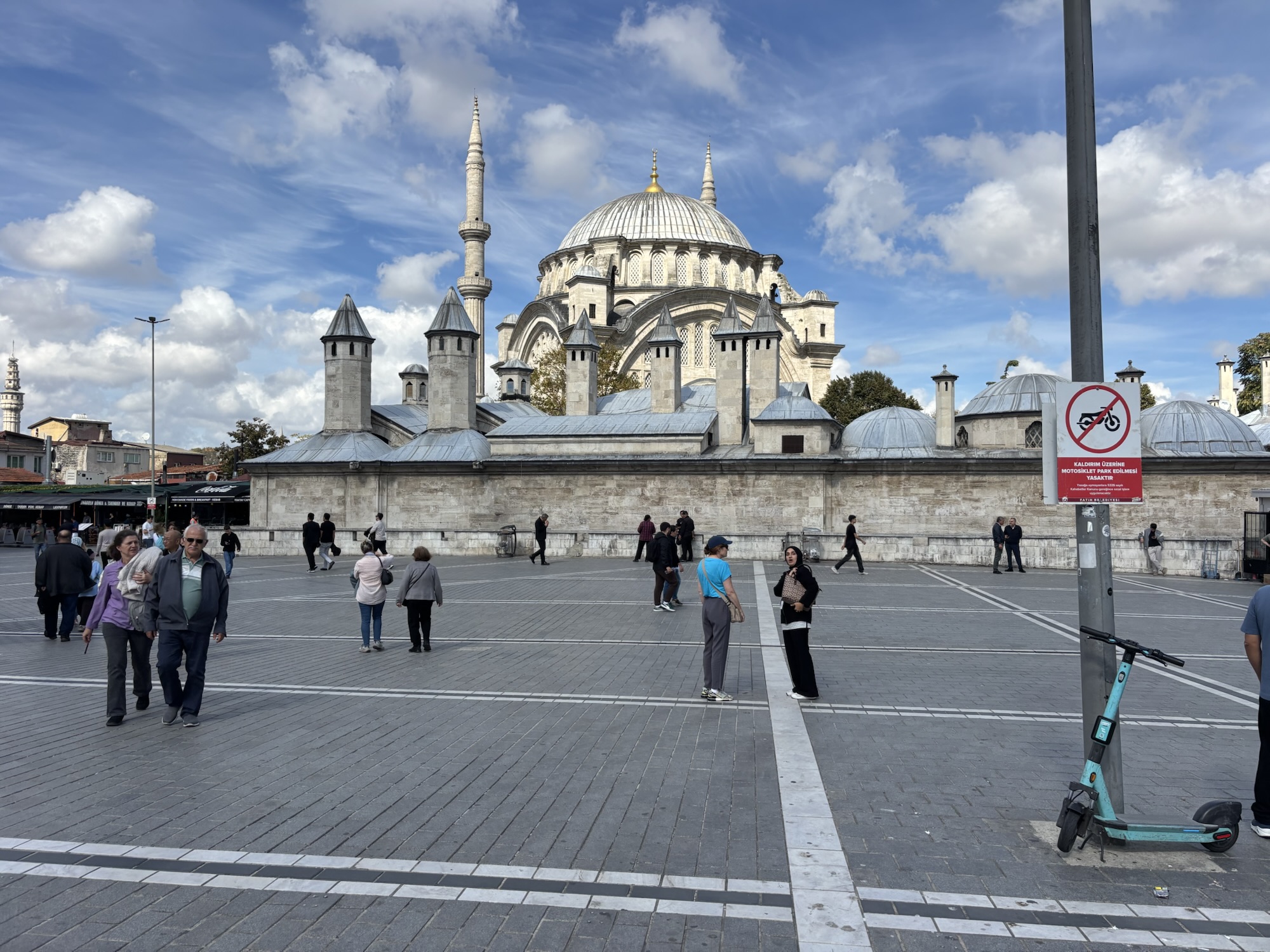
I have added a few images of Istanbul at the end of the blog for you to have a look at.
We allowed three full days to explore, though in truth two would have been ample. Unlike Rome, where history is carefully preserved, Istanbul’s past feels buried under centuries of construction. The drive in from the airport revealed a vast, sprawling city straddling both sides of the Bosphorus, the waterway linking the Black Sea to the Mediterranean. Our boutique hotel, the Amiral Palace, was perfectly located: five minutes from the Blue Mosque and, as I discovered too late, just two minutes from the Irish Bar where I missed the England game.
We started with a guided tour, thinking it would give us our bearings for further exploration. Having a guide is always handy, but we assumed it would be a city tour. It turned out to be a walking tour — and with good reason. Everything worth seeing in Istanbul was within walking distance of our hotel and within Sultanahmet.
We discovered that everything interesting in Istanbul seemed to be either a mosque or a bazaar. We also discovered that Istanbul is hellishly expensive: the tour cost £135 and we simply walked around our locality. That said, the mosques are incredible constructions and beautiful places to visit. Any Sultan who wanted to be remembered built a mosque, and consequently there are over 3,000 in Istanbul. The grand ones are all in Sultanahmet, except for a new monster that has just been built.
The highlight was without doubt the Blue Mosque, a truly magnificent structure — but you don’t need a guide to see it. We followed the guide through various bazaars, but the only way to experience the Grand Bazaar is on your own. Wander until you find what you’re looking for and make sure you have cash; if you show a vendor a card they lose interest, a bit like a crucifix to a vampire!
Undeterred, we organised more activities to find the “real” Istanbul. On the second day we booked a bus tour of the city. Another expensive treat at £40 each to sit on a double‑decker for nearly three hours, but it generally confirmed that while Istanbul has some pleasant squares and places to hang out, everything a tourist wants is concentrated in Sultanahmet.
We decided to have dinner on one of the posh evening river cruises. This turned out to be more fun, mainly because we met a great couple from Stockholm called Catrina and Peter. We did our best to enjoy the food, and good conversation saved us from the worst of the dancing rituals. One of my ambitions was to see a Whirling Dervish — a mystical religious dance where performers spin themselves into a trance. This was one of the highlights of the show for me, though I must confess it was a rather dull experience. Still, at least I’ve seen one.
By day three we were thoroughly “mosqued out,” so we went to see the Basilica Cistern. I first became aware of it from the Dan Brown film Inferno, and it also featured in a James Bond film. It was expensive to enter and the queue was longer than the time spent inside, but it is an astonishing structure, built over 2,000 years ago as a reservoir for the city.
To finish off, we booked a sunset boat tour along the Bosphorus on our last evening. Sadly, with the days shortening in October, the company hadn’t adjusted the departure time. We watched the sunset as we pulled away from the quay, then spent the next three hours sailing around the coast in darkness.
By day four we were pleased to be on our way to Cappadocia — ready for balloon rides and to go deep underground in search of ancient civilisations.