

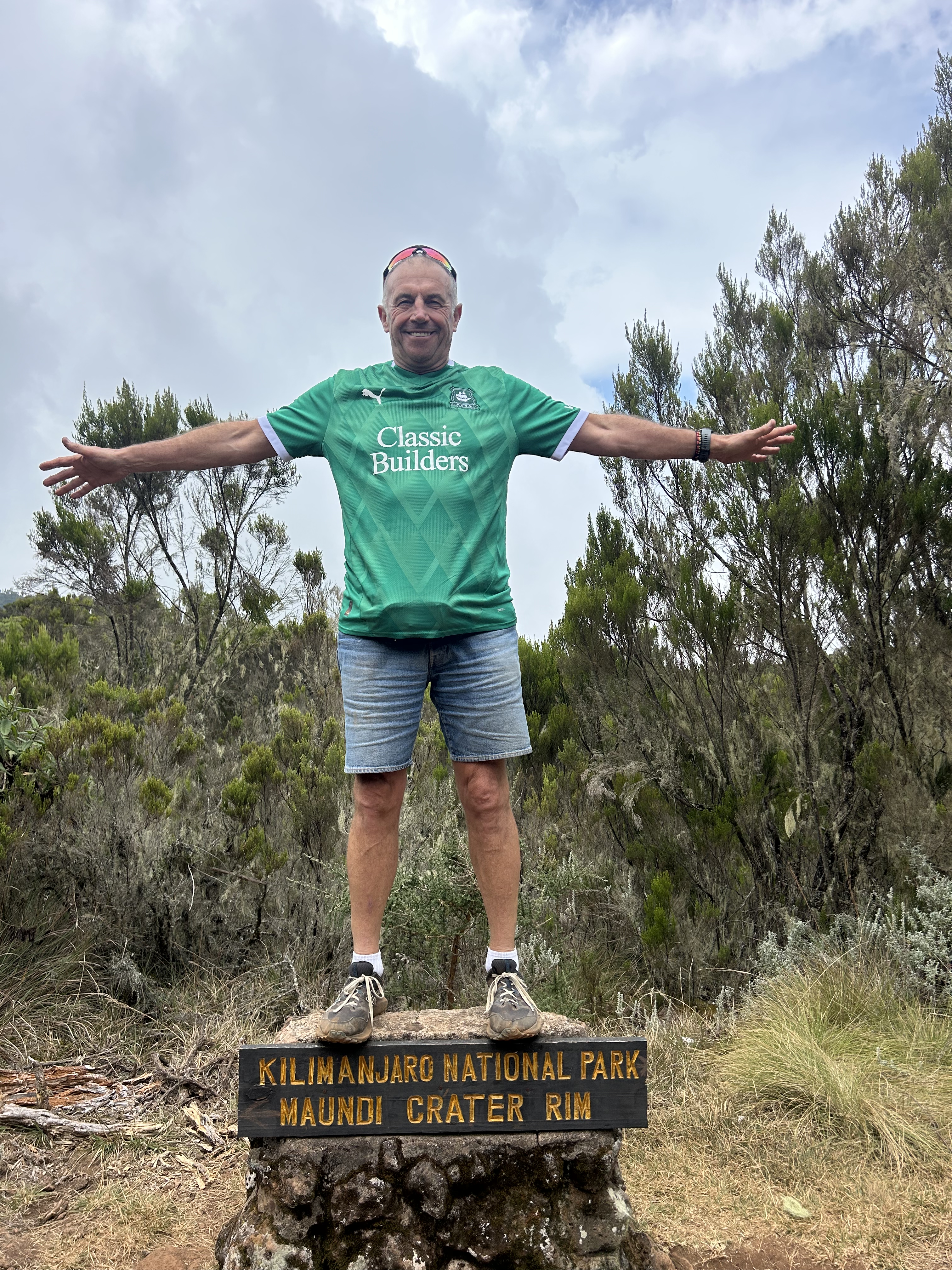
The key lessons from my 7 years of managing my weight
I learned a lot from doing Man v Fat, we all did really well, losing 10-20% of our weight over 4 months. It was lots of fun but very competitive as well.
Click here to follow the res of My Weight Loss Journey
The basic principle is that our bodies are machines that need fuel.
Calories in (food) v Calories out (exercise) = weight
Too much input and the body stores it for a rainy day, too much output and the body calls on its reserves to survive and burns the fat. We are still Mk 1 human beings and our bodies know how to survive, they just don’t know too much about modern living and junk food !
To lose weight you have to reduce incoming and increase outgoing. Trying to lose weight just on exercise is very very hard, 1lb in weight is 3500 calories, so to lose 1lb through exercise you need to do 7 x 500kcal sessions in the gym, or walk up Snowdon once a week (roughly what I burned doing that).
So basically this is a calorie burning project, there are lots of ways to do it, diets, exercise, fasting – loads of options, but the only thing that matters is reducing input and increasing output.
A few common things that I’ve learned to dismiss.
- A male needs 2500 per day – not convinced about this one. We are all different and if I took in 2500 every day I’d be the size of an elephant, and I do loads of exercise.
- Muscle turns to fat – nope, it turns to flab, which is different, it can be rebuilt, this is why athletes use steroids, once a muscle has been grown, it can always go back to the maximum size.
- Turn fat in muscle – nope, burn off the fat, it cant turn into muscle, that needs protein and fibre.
- Muscle burns calories faster – this is actually true but if you start doing weights you will get heavier so this is something for 3 months down the track. I’ve got mates who are the literal muscle brick shit houses and they do burn calories but they are unique. We don’t want minor weight gains in muscles affecting your weight downward trend.
Your action plan
So what we need is the tools to manage our calories, so here goes
- Get the myfitnesspal app – this is where you log your food and it also pulls in the data from your exercise tracker to work out your daily score.
- Exercise tracker – you can do this on a phone but it is much better with a watch that is counting steps and importantly heart rate. I’ve got a Garmin because of the other sports, but Apple and the others are just as good.
- Linking the two can be a bit of a faff because it involves personal data permissions but stick with it.
So for the first week, get the tools set up and you can start tracking your food intake.
Food intake – don’t get bogged down in being too precise, I spend about 2 minutes a day on this max. Most of the food we eat is available in the tracker, it’s just working out the portion sizes.
Leave a Reply